Just moved to Mexico? What to set up in your first two weeks
The paperwork has its own guides. This one is about everything else: a Mexican phone line (which now has to be registered), internet, water, gas, paying bills, the apps everyone uses, and what to do when you need a doctor.

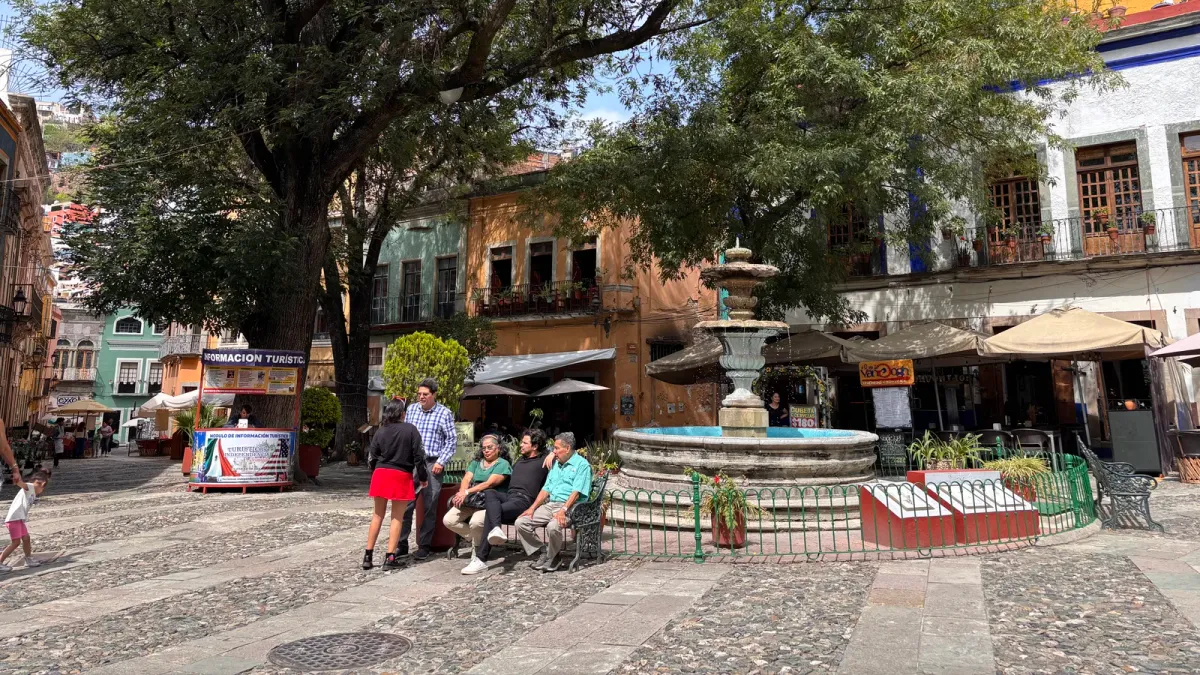
The short answer: in your first two weeks, get these working:
- A Mexican phone line, linked to your passport (now required, or it gets cut off).
- Your home number from back home kept alive, for bank codes.
- Home internet ordered, since installation can take a while.
- Purified drinking water: garrafones, delivered or refilled.
- Gas: know whether your home uses cylinders, a rooftop tank or piped gas, and who refills it.
- Who pays the electricity, water and internet bills, and how.
- Pesos and a card without foreign fees.
- WhatsApp, a ride app and a delivery app.
- The nearest pharmacy, a doctor you'd call, and 911.
- Your paperwork clock: tourist days, or the 30-day canje if you came on a residency visa.
Most guides to moving to Mexico are about immigration. Those steps matter, and for residents they're time-limited, but they're also the part with the most written about them. This guide is about the rest: the phone, the water, the gas truck, the bills, and the dozen small things nobody explains until you need them. It works whether you came for a winter, a year or for good.
1. Your phone: get a Mexican line, and register it
A Mexican number makes daily life easier. Landlords, plumbers, doctors and delivery drivers will message you on it, and many local apps and shops ask for one. Prepaid SIM cards and eSIMs from Telcel, AT&T and Movistar are sold in their own stores and in convenience stores; you top up (recarga) online, in the app, or at an OXXO. Roaming on your plan from home, or a Mexican line? See your phone in Mexico for what each costs.
The new rule: since January 9, 2026, every Mexican mobile line has to be linked (vinculada) to the identity of the person who uses it, under the 2025 telecommunications law. A new line is linked when you activate it. As a foreigner you link it with your valid passport, or with the CURP on your resident card if you have one. You can do it online on your carrier's site (a photo of the ID plus a selfie) or in one of its stores. Postpaid plans are already in the holder's name.
Prepaid lines that existed before have a deadline set by the last digit of the number: digit 4 was October 15, digit 5 is October 31, and the last group, digit 9, is December 31, 2026. If you bought a used number, or a friend passed you a SIM, check it. A line that isn't linked by its date is suspended within 72 hours, with only emergency calls left. The number isn't lost, and the line comes back once you link it.
- Link only through your carrier's own site or app, or through the regulator's page, registratulinea.crt.gob.mx. Text messages with fake registration links are going around.
- A US or Canadian plan roaming in Mexico isn't covered by this process for now. The regulator has said it will set the rules for those lines later.
Keep your home number too. Banks and card issuers back home still send security codes by text. Losing that number can lock you out of your own accounts. Keep it on a cheap plan, or in a second eSIM slot, at least until you've changed every account that depends on it.
2. Home internet: order it early
Most furnished rentals come with internet; ask what speed before you sign, and test it on the first day. If you need your own, the main home providers are Telmex (Infinitum), Totalplay, Izzi and Megacable. Coverage depends on the street, not just the city, so ask the neighbors or the landlord which one actually works in the building. Installation can take days or weeks, and the contract may need a proof of address and an ID. If you rent, the service is often already in the landlord's name. For work calls, a phone hotspot is a reasonable backup.
3. Drinking water: garrafones
Most homes in Mexico, Mexican and foreign, don't drink tap water. They drink purified water from garrafones, 20-liter jugs, either delivered by a brand's truck (you swap the empty jug) or refilled at a neighborhood purificadora, which is cheaper. Tap water is used for washing and cleaning. Many people also wash produce with a few drops of disinfectant from the supermarket.
Two more things about water in a Mexican house:
- Many homes store water in a rooftop tank (tinaco) and sometimes an underground cistern (cisterna) with a pump. If the water stops, check those first.
- Some cities ration supply in dry months (tandeos), so a full tank is what you live on. Ask the landlord how it works in your neighborhood.
The water bill comes from the city's water utility. In a rental it's usually in the owner's name; as with electricity, say in the lease who pays it.
4. Gas: cylinders, a rooftop tank, or the pipe
Most Mexican homes cook, and often heat water, with gas. Find out on day one which kind your home has:
- Cylinders (cilindros, usually 20 or 30 kilos). Gas trucks drive the streets and announce themselves with a jingle or a shout of "¡el gas!". You can flag one down, or phone a gas company for delivery.
- A stationary rooftop tank (tanque estacionario), filled by a tanker truck (pipa). It's priced by the liter. Check the gauge before the truck comes and watch the meter while it fills.
- Piped natural gas, in parts of some cities, billed like any utility.
LP gas has a weekly maximum price, published by the national energy commission (CNE) for each region. For October 11 to 17, 2026 it was 20.34 pesos per kilo and 10.98 pesos per liter in Mexico City, so a full 30-kilo cylinder cost up to about 610 pesos. A seller can charge less than the cap, not more. If you smell gas, shut the valve at the tank, open windows, and don't switch anything on.
5. The bills, and how people pay them
A typical home has three or four: electricity (CFE), water, internet, and sometimes gas. If you own, add predial, the yearly property tax. The electricity bill has a trap of its own: if your average use passes a limit, the tariff jumps. The CFE bill explains how to stay off DAC.
How people pay:
- At OXXO and other convenience stores: CFE, many utility bills, phone top-ups and online shopping orders, in cash, with the reference number on the bill.
- By bank transfer (SPEI), Banco de México's interbank system, which runs 24 hours a day. Mexicans use it for everything: rent, the plumber, splitting dinner. You need a Mexican bank account to send one; ResidencyMexico's guide covers opening a bank account as a new resident.
- In cash, still normal at markets, small shops, taxis and for tips. Carry small notes and coins; a 500-peso note is hard to break at a fruit stand.
Keep the paper bills. A recent one is the standard comprobante de domicilio, the proof of address that banks, phone companies and government offices ask for. For getting cash in the first place, see getting pesos without losing money.
6. The apps everyone uses
- WhatsApp is how Mexico communicates: your landlord, the gas company, your doctor's office and the restaurant down the street. Set it up on your Mexican number.
- Uber and DiDi for rides, in most cities. At airports, use the authorized taxi booths or the zones the airport sets aside for apps.
- Rappi, DiDi Food and Uber Eats for food and groceries.
- Mercado Libre and Amazon México for nearly everything else. Many streets aren't easy to find, so add landmarks in the delivery notes (the color of the door, "between X and Y streets") and keep your phone on.
- Your carrier's app (Mi Telcel, Mi AT&T, Mi Movistar) for top-ups, and the bank's app if you open an account.
7. Health: pharmacies, doctors and 911
For small things, Mexicans go to the pharmacy. Many have a doctor's office next door (consultorio) with walk-in visits for a small fee. Antibiotics need a prescription; many other medicines don't. For anything bigger, find a general practitioner and a private hospital near you before you need them, and save their WhatsApp numbers. Expat groups in each city keep lists of doctors who speak English.
Two numbers to save:
- 911: police, ambulance and fire, nationwide.
- 089: anonymous reports, including extortion calls. If someone calls claiming to have a relative of yours, or to be from the police, hang up and call your relative directly.
For how people pay for healthcare in Mexico (cash, private insurance, IMSS), see ResidencyMexico's healthcare for new residents. Americans on Medicare: read does Medicare work in Mexico? first.
8. Your paperwork clock
Two different clocks, depending on how you came in:
- As a tourist: the immigration officer set your number of days when you entered, up to 180. Check what you were given and put the last date in your calendar. See how long you can stay as a tourist.
- On a residency visa from a consulate: you have 30 days from entry to start the canje at INM, where the visa becomes your resident card. This one is strict. ResidencyMexico's first 30 days as a new resident walks through it, then the CURP, RFC and bank account. I run ResidencyMexico too.
Shipping household goods? Residents can bring them in tax-free once, with timing rules of their own: menaje de casa.
9. The house and the neighborhood
- Your lease. Check who pays which bill, and what the deposit and póliza jurídica cover. See renting in Mexico as a foreigner.
- Trash. Collection varies by street: a truck that rings a bell, set days, or a building bin. Ask a neighbor. Collectors are often tipped a few pesos.
- Plugs. Mexico uses the same plugs as the US and Canada, at 127 volts. Old buildings may only have two-prong outlets; bring a few adapters for three-prong plugs.
- Tips. Around 10% in restaurants, 15% for good service; small tips for grocery baggers, gas station attendants and the person who watches your parked car.
- Noise. Fireworks, church bells, bands and street vendors are part of the soundtrack, especially around September 15–16, December and patron saints' days. Ask about it before you sign.
- A car or a pet? See driving in Mexico and bringing your dog or cat.
New guides by email
About once a week, one practical guide to living in Mexico, checked against the agency that sets the rule. Free, and every email has an unsubscribe link. Subscribe →
Frequently asked questions
Do foreigners have to register a Mexican phone line?
Yes. Since January 9, 2026, every Mexican mobile line has to be linked to its user's identity. Foreigners link theirs with a valid passport, or with the CURP on a resident card. New lines are linked when you activate them; existing prepaid lines have a deadline by the last digit of the number, ending December 31, 2026. Unlinked lines are suspended except for emergency calls.
Can you drink tap water in Mexico?
Most households, Mexican and foreign, don't drink it. They buy purified water in 20-liter jugs (garrafones), delivered or refilled at a local purificadora, and use tap water for washing and cleaning.
How much does a gas tank cost in Mexico?
LP gas has a weekly maximum price set by Mexico's energy commission (CNE). For October 11 to 17, 2026 it was 20.34 pesos per kilo in Mexico City, so a 30-kilo cylinder cost up to about 610 pesos. Rooftop tanks are filled by the liter (10.98 pesos per liter that week).
What is the emergency number in Mexico?
911, for police, ambulance and fire, nationwide. 089 is the anonymous line for reporting crimes, including extortion calls.
Sources
- Comisión Reguladora de Telecomunicaciones (CRT), agreement amending the mobile line identification rules (DOF, June 2026): the calendar by last digit, IDs accepted for foreigners, and the 72-hour suspension. The CRT's Registra tu línea portal links each carrier's official registration page.
- Registration of new lines from January 9, 2026, the legal basis (article 104 of the 2025 telecommunications law), and the pending rules for roaming lines: HLC, Mobile line registration in Mexico.
- Comisión Nacional de Energía, maximum LP gas prices, October 11 to 17, 2026 (PDF).
- Banco de México, SPEI transfers.
- 911 and 089: UnoTV, when to use 911, 089 and 088.
Last checked October 19, 2026. The phone registration calendar and gas prices change; if something here no longer matches what you find, please tell me.